Affiliate disclosure - some links below are affiliate links (Temu / AliExpress). We earn a small commission if you buy through them; your price is unchanged.
If you've seen "bobr kurwa" (also spelled bóbr kurwa) written under a TikTok or as graffiti on a hoodie, here's the short story for non-Polish readers. It's a 2023 viral that didn't die, and unlike most memes it has a straightforward, checkable backstory: a real animal, a real clip, and a country that happens to have a lot of beavers. If you just want the psychology of why it spreads, we have a quick take on why the meme works.
Where it started
A short TikTok clip from 2023 shows somebody spotting a beaver in the wild and shouting "BÓBR, KURWA!" - "beaver, fuck!" in Polish, but the swearing is more like "wow" or "no way" than anger. The reaction is so genuine that no actor could fake it. Within weeks, duets and remixes were everywhere on Polish TikTok.
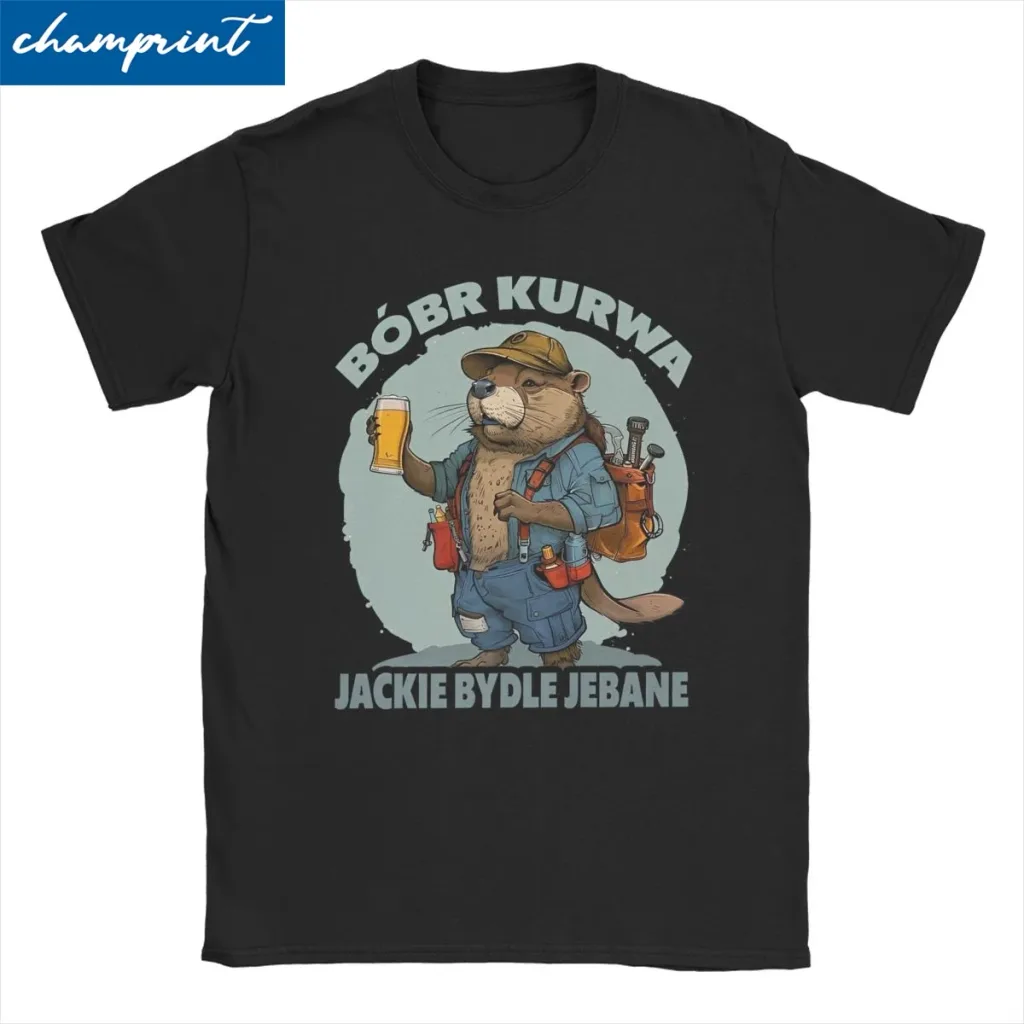
By 2024, the original clip had racked up tens of millions of views and the hashtag kept climbing. The clip is short - about 12 seconds - which fits TikTok's algorithm perfectly.
Why Poland has so many beavers to react to
The meme needs a beaver in the frame, and Poland genuinely has more of them than almost anywhere else in Europe. The Eurasian beaver was hunted to near extinction there before the Second World War: by 1939 only around 400 were left in the whole country. The species has been under legal protection since 1952, and captive-bred animals were reintroduced into rivers and lakes over the following decades.
The comeback overshot expectations. Poland's beaver population stood at about 24,000 in the year 2000 and reached roughly 154,400 by 2023, more than a sixfold increase, according to Poland's Central Statistical Office (GUS). That is one of the densest beaver populations in Europe, and it comes with friction: regional environmental offices logged more than 7,000 wildlife-damage complaints in 2023, with beavers behind about three-quarters of them (flooded fields, gnawed trees, collapsed riverbanks). Compensation paid to farmers ran close to 30 million zloty a year by the early 2020s. Officials can issue removal permits, but most go unused - in 2020 authorities approved 5,839 permits and only 669 beavers were actually removed.
The upshot: a beaver is not a rare sighting in Poland, it is a fixture of rural life, visible enough on riverbanks, farmland, and even city parks that "oh no, a beaver" is a genuinely relatable reaction, not a novelty someone had to travel for. That everyday familiarity is a big part of why the joke lands instantly with Polish audiences and takes a paragraph of explaining for everyone else.
What the words mean
"Bóbr" is the Polish word for beaver. "Kurwa" is the strongest Polish swear word, but in casual use it works as a generic intensifier - closer to "damn" or "wow" than the literal English equivalent. So "bóbr kurwa" reads as "wow, a beaver" with an undertone of disbelief.
This dual register is part of why the meme travels. Polish speakers hear the strong swear, English speakers hear the absurd cuteness of yelling at a beaver.
Spelling varies a lot online, and none of it is wrong. "Bóbr" is the correct written form with the accented o; "bobr" drops the diacritic, which is how most non-Polish keyboards and search bars end up typing it; "bober" is a softer, more affectionate colloquial version, closer to calling the animal "beaver boy" than using its dictionary name. Merch listings and captions mix all three depending on who made them.
How it became merch
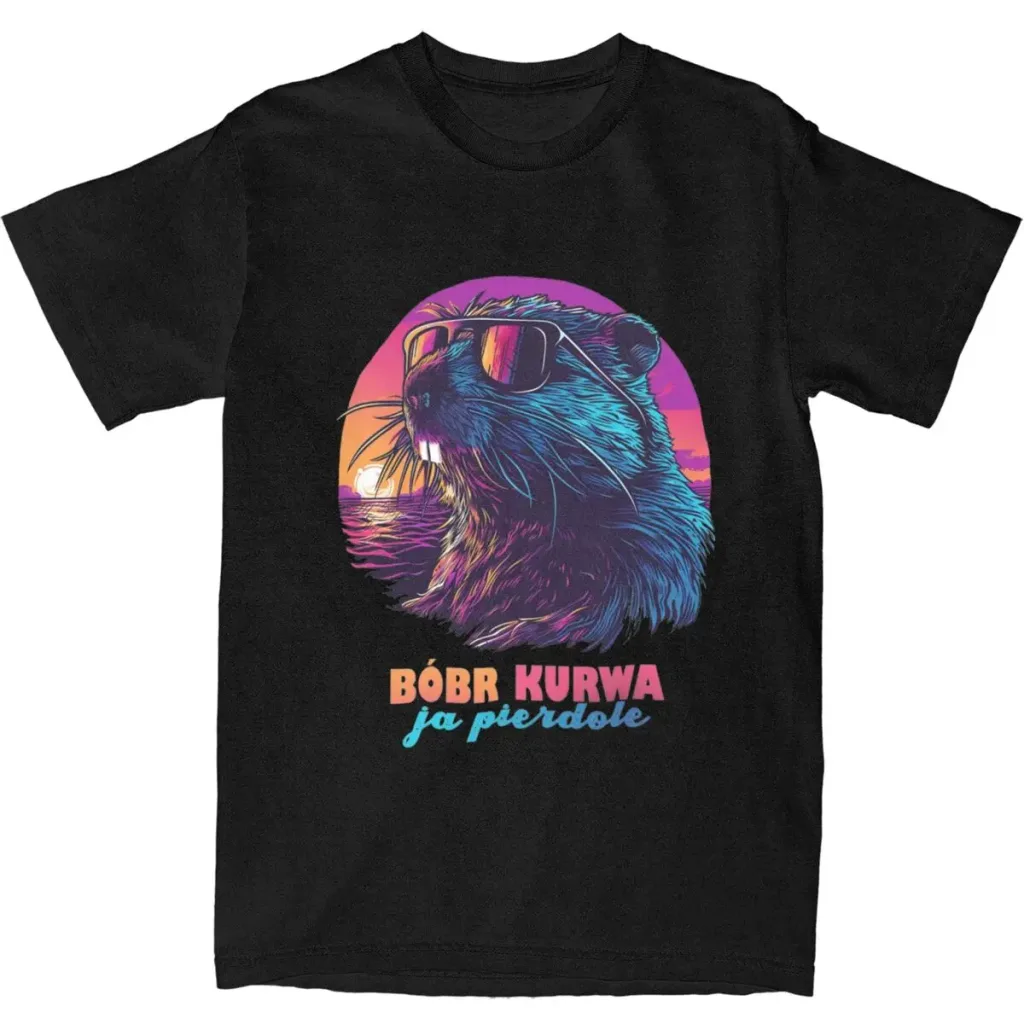
In early 2024 the meme jumped from TikTok to Polish Twitter (now X), where it became a template for "didn't expect this, but glad it happened" reactions. T-shirts started appearing on Polish marketplaces in January 2024, and by mid-2025 the merch had crossed into international marketplaces and AliExpress catalogues.
By 2026 you can find branded plushies, tees, mugs, posters, and stickers from a dozen suppliers. Prices stabilised around $5 to $30, with most items shipping from China.
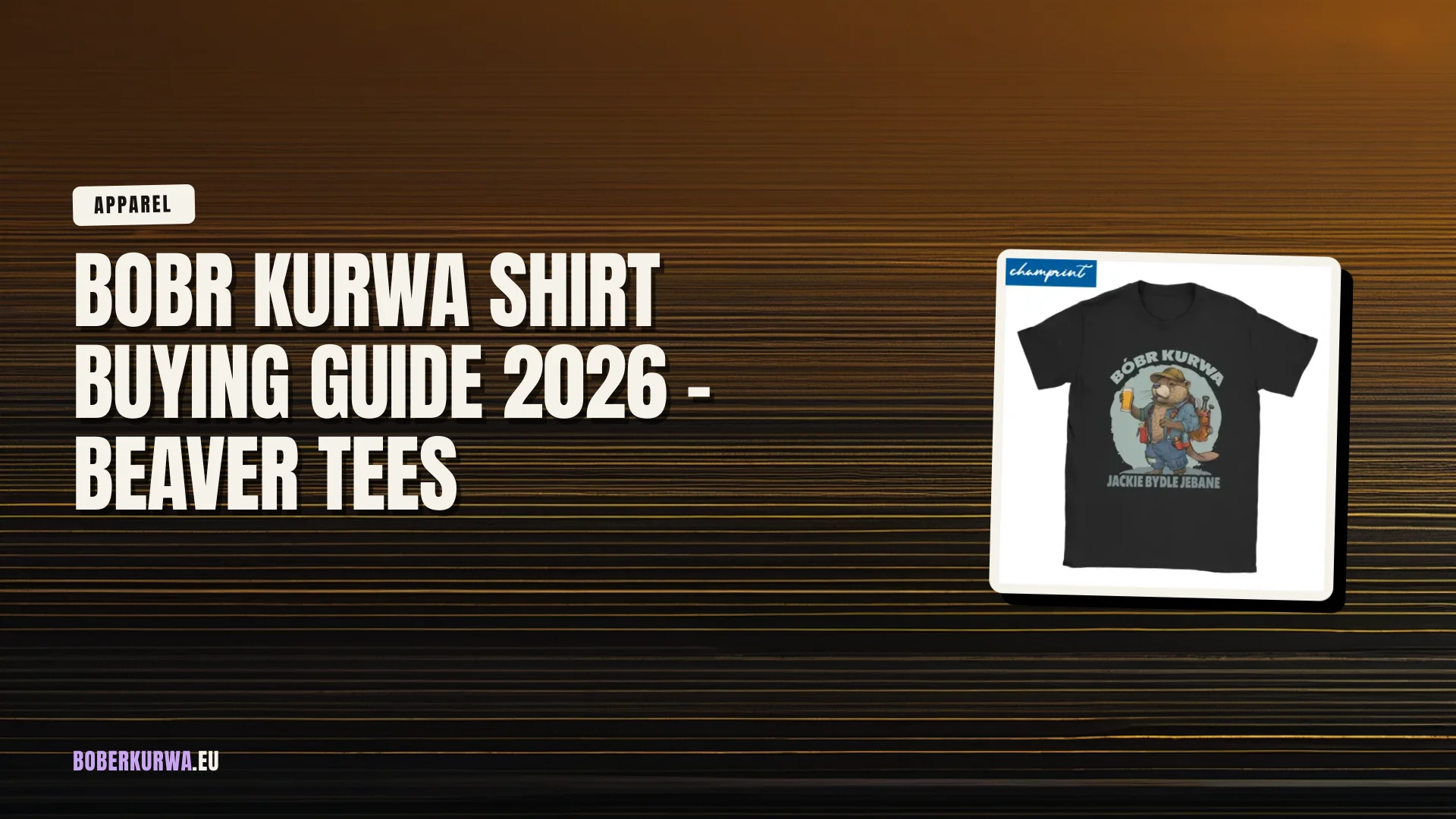
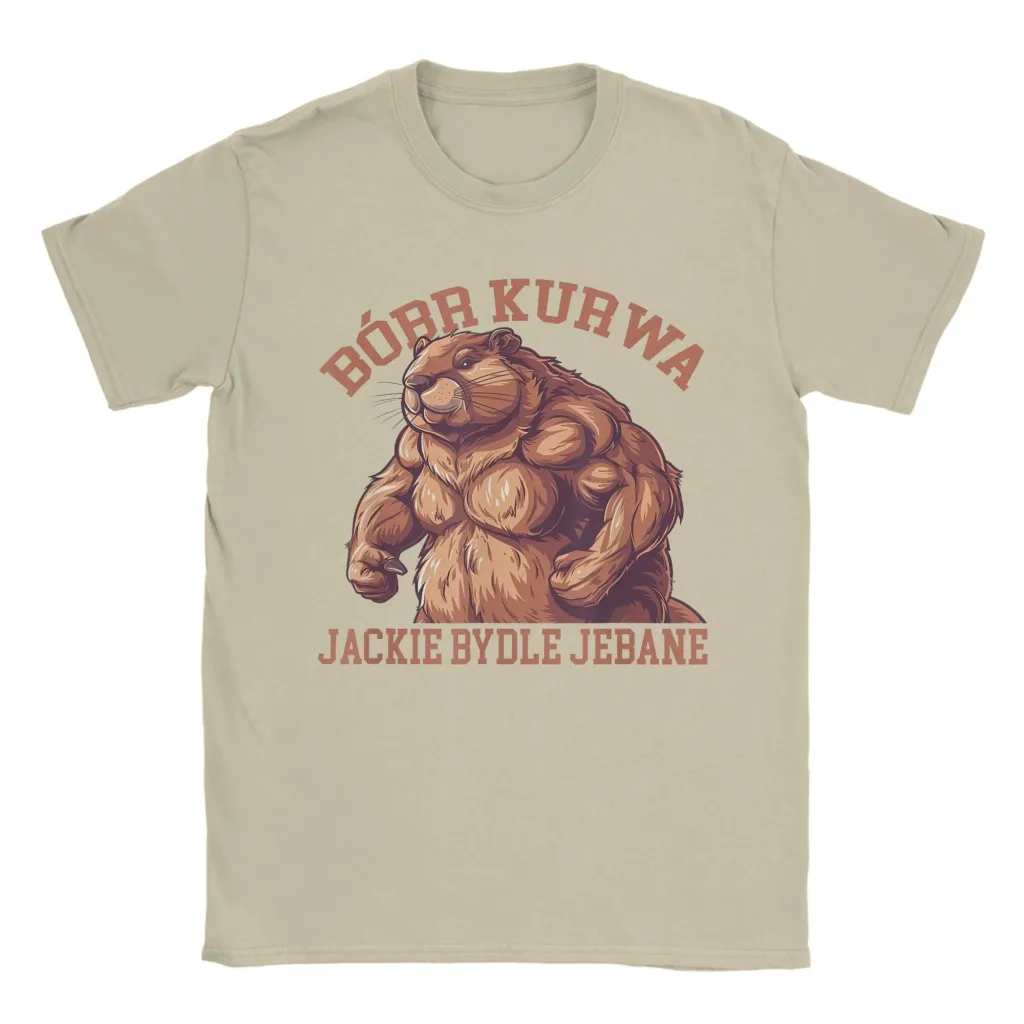
A concrete current example: this Y2K streetwear beaver tee in the catalog. Affiliate disclosure - affiliate link.
Where to get Bobr Kurwa merch (and what's actually worth it)
The meme is three years old and the merch is real, but almost all of it is fan-made and dropshipped from China through AliExpress or Temu. There is no official store, and that is worth knowing before you spend. Prices below are the live affiliate prices we see right now; shipping windows are what the supplier states, not a promise we control.
Affiliate disclosure - the product links below are affiliate links (Temu / AliExpress). We earn a small commission if you buy through them; your price stays the same.
| Item | Price | Ships in | Best for |
|---|---|---|---|
| Bobr Kurwa Cotton Tee Affiliate disclosure - affiliate link. | ~53.54 PLN | 14-25 days from China | everyday wear, safe first buy |
| Bobr Kurwa Acrylic Keychain | ~5.59 PLN | 7-14 days (Temu) or 14-25 days (Ali) | bag charm, cheapest gift |
| Bobr Kurwa Synthwave Couple Tee | ~57.39 PLN | 14-25 days from China | couples, a matching-fit joke |
The cotton tee is the safe default: a real meme graphic, cheap enough that you will not cry if the print fades after a few washes. The keychain is the laugh-for-under-six-zloty option, and the couple tee is the one to grab if you want a matching fit with someone.
Editor's pick: the "Ja Pierdole" gag tee
If you want the version that actually gets a reaction, the Bobr Kurwa Ja Pierdole vintage tee is the one we keep linking. Affiliate disclosure - affiliate link. It pulled a 23% click-through rate in our Search Console on the beaver-gift queries, which is unheard of for a merch link. Around 37 PLN, ships 7-14 days from Temu or 14-25 days from AliExpress. The print is the joke, so do not expect heavyweight cotton, but as a gag gift it does the job.
When this is NOT for you
Skip the merch if any of these fit:
- You only wanted the story of the meme. The explanation above is free; the t-shirts are not.
- You expected officially licensed merch. There is none. Every listing is fan-made from AliExpress or Temu.
- You need it inside a week. China shipping runs 7-25 days, and that is the optimistic window.
- You want a size that fits like a Western brand. Asian sizing runs small, so order a size up.
Spelling: bobr, bober, or bóbr?
All three show up on listings and none of them is wrong, but they are not the same string:
| Spelling | What it is | Use it when |
|---|---|---|
| bobr kurwa | diacritic-free, how most search bars and non-Polish keyboards type it | searching, English-facing text |
| bober kurwa | softer colloquial spelling, a "beaver boy" feel | casual captions |
| bóbr kurwa | the correct Polish written form with the accented o | talking to Poles, proper Polish |
Why it didn't die
Most internet memes have a six-month half-life. Bóbr kurwa is now in its third year and still moving merch. Four reasons:
- The original reaction is unfakeable, which keeps it feeling fresh in remixes.
- The structure ("noun, intensifier") is a template - anyone can plug in their own surprise.
- It works in both Polish and English, doubling the addressable audience.
- The source material never runs out. With roughly 150,000 real beavers reshaping riverbanks across Poland, new "someone just found a beaver" clips keep surfacing on their own, no writers' room required.
Where to start if you want some
If you're curious enough to want a piece, start with an entry-level beaver tee - safe gift, low risk. Or grab this beaver kitchen apron for a co-worker. Mid-range pick: the mid-range cotton tee. None of these require you to explain the joke first, which is the whole point of a good meme item: the beaver does the talking.